Folded hands and calm interiors
As Maren has blogged already, we went to the Gwen John exhibition at the National Museum of Wales recently. John is probably my favourite artist, and one I studied a bit in my Art History MA. Maren asked my why I liked her work, and I couldn’t really answer. I could cite elements of her biography that I found interesting and inspiring, but I wasn’t sure why her work resonated with me. This is not an attempt to evaluate her work in a broader artistic sense, but rather examine why I like it. Here is my attempt to think that through.
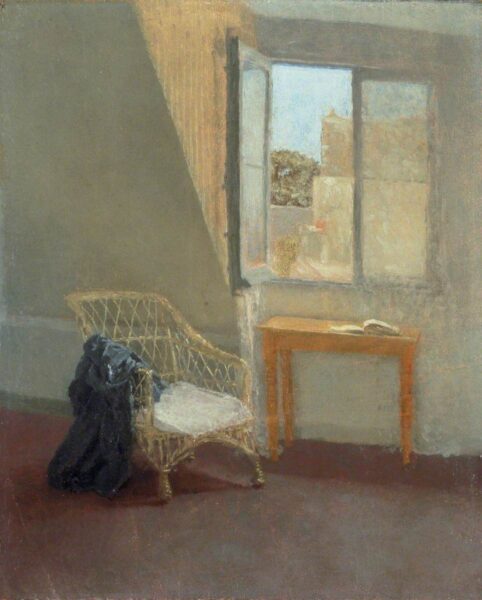
Tranquility – I value calm, and tranquility. A lot of activity stresses me. I’m also quite a homely person. John painted a lot of interiors, often of her little artist’s flat in Paris. They evoke both a strong sense of peace and also satisfaction. Even if I didn’t know from her own accounts that she loved her simple artist’s room, I would infer it from this painting.
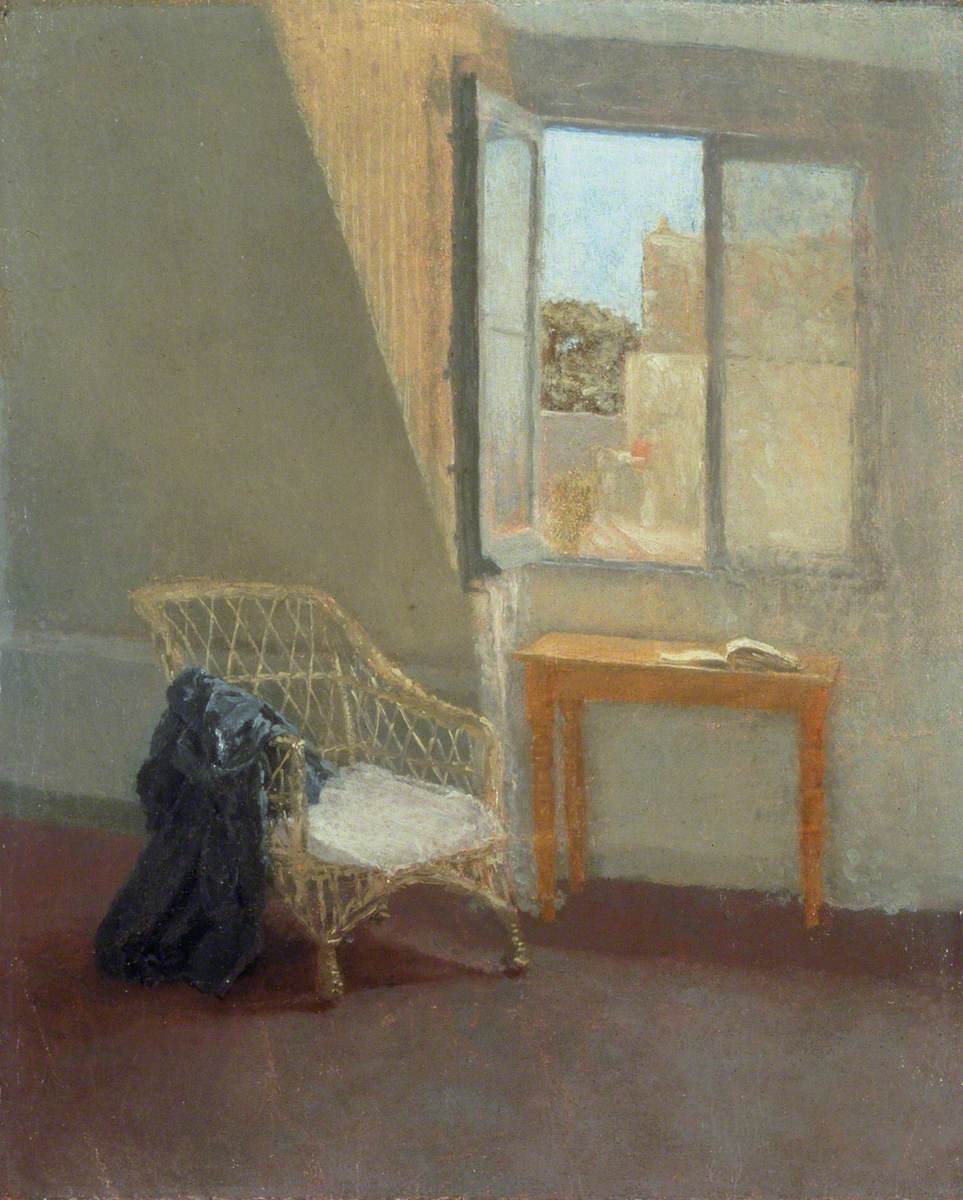
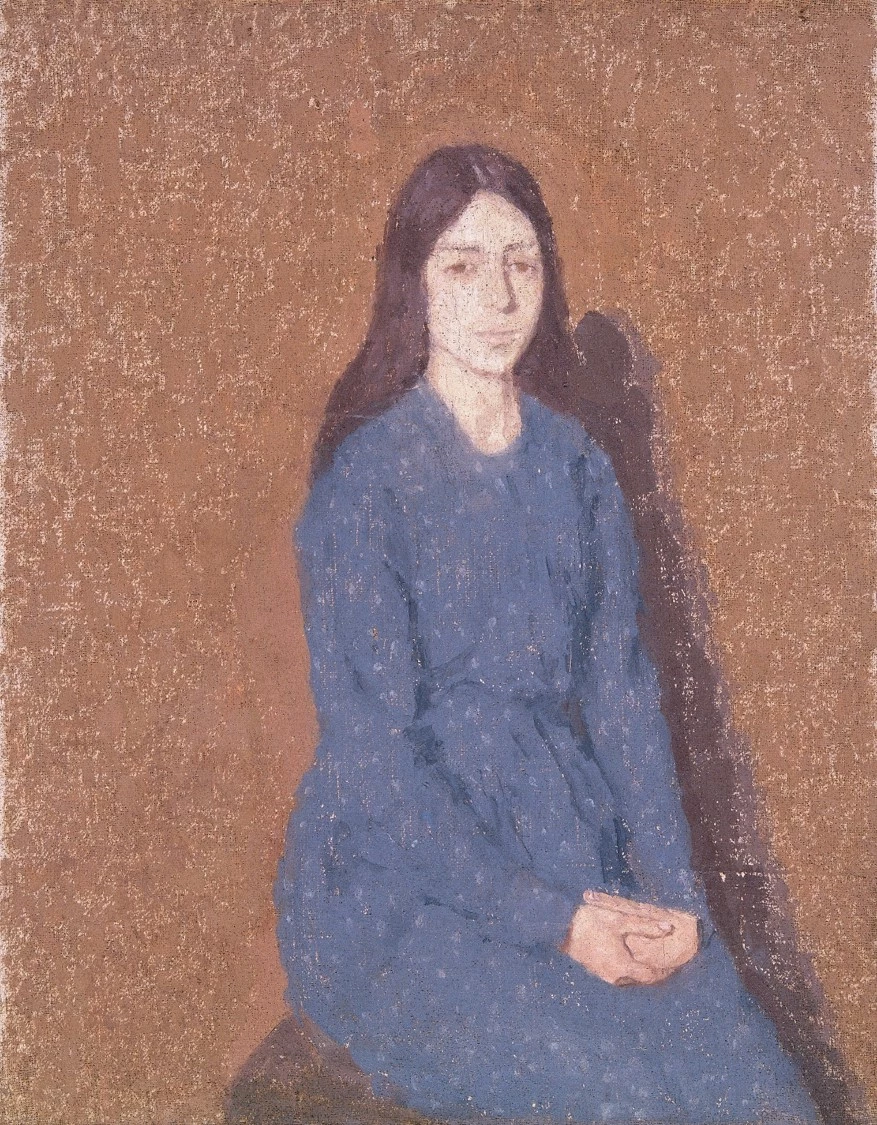
Reflection – I’m a very reflective person. Too much in fact, I can probably stop worrying about that stupid thing I said when I was 15 that no-one else remembers. This respect for reflection is evident in John’s work I think. One of her characteristic traits is to paint women, seated with their hands folded in their laps. It speaks to the calmness of the interiors above, but also a reflective mode. John was religious and there is always the echo of prayer in that gesture, but more to the contemplative opportunity of that ritual than necessarily communing with God. They are not in dynamic action, now hunting horses or slaying Medusas, but the portrait is no less powerful for that.
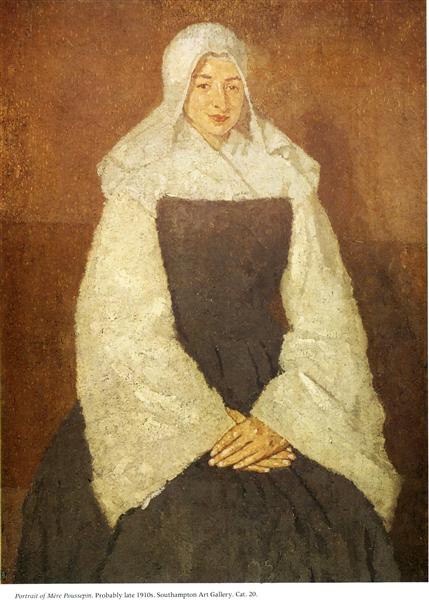
Quiet rebellion – when I saw a Gwen John nude (she didn’t paint many) I immediately appreciated how much the male gaze had influenced the painting of female nudes. Similarly, while John draws on elements of Impressionism, she also subverts and adapts them. For example, she often painted nuns (particularly Mother Marie Poussepin) a subject that lay somewhat outside the conventional Impressionist range, which often featured scenes of modern. With regards to technique, Impressionism is often characterised by ‘a palette of pure, intense colours’. The colours of her Poussepin portraits for example are far from ‘intense’ being subtle and muted, although the dappled brushwork has some resonance with Monet.
This sense of quiet rebellion resonates with me, I remember Mike Caulfield once joked that I was politely radical, and I’d take that as a description.
There are also aspects of John’s biography that appeal to me. She was born in Tenby! She demonstrated more courage than I possess in much of her life. For instance. she devoted herself completely to art, often living quite poorly, eschewing marriage and always trying to develop her art. She once decided to walk from Paris to Rome, with a girlfriend, sleeping in fields (they didn’t make it, but did travel around for a while). But these are all post-hoc discoveries after I had responded to her work, so this was an attempt to explore the particular resonance of an artist with myself. Anyway, do go to the exhibition if you get the chance.


